

Best Strength Training Exercises for Building Full-Body Muscle
Not all exercises provide equal return on energy invested. Multi-joint compound movements recruit maximal motor units, stimulate structural bone density, and drive full-body hypertrophy.

Marcus Vance, CSCS
Senior Strength & Conditioning Editor • Updated 2025-03-01
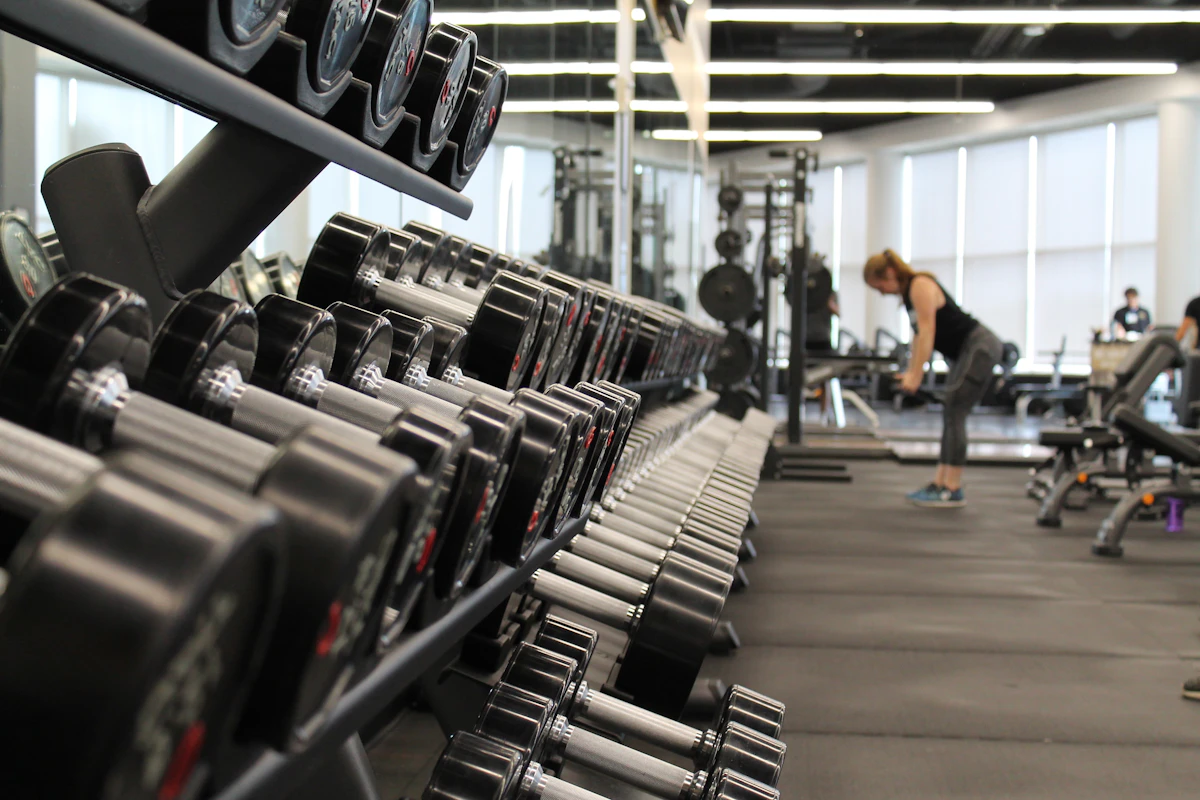
Powerlifter setting up for a heavy barbell squat demonstrating spinal alignment
Key Editorial Takeaways
- •Compound multi-joint exercises form the bedrock of 80% of total muscular adaptations.
- •The Barbell Squat, Deadlift, Overhead Press, Bench Press, and Pull-up form the legendary foundational five.
- •Unilateral movements like Bulgarian split squats correct bilateral asymmetries and safeguard pelvic health.
- •Proper execution through a pain-free active range of motion always trumps absolute barbell weight.
The Hierarchy of Exercise Efficiency
When building a high-performance physique, efficiency is paramount. While isolation exercises (like bicep curls and leg extensions) have their role in refining specific muscle bellies, multi-joint compound exercises deliver disproportionately higher mechanical tension, systemic metabolic output, and functional athletic carryover.
A compound exercise spans two or more articulating joints and recruits numerous synergistic muscle groups simultaneously. This triggers an elevated endocrine response and facilitates greater absolute mechanical loading compared to single-joint movements.
---
The Essential Five Compound Pillars
#
1. The Barbell Back Squat (The King of Lower Body Development)
The squat recruits the quadriceps, adductor magnus, gluteus maximus, and spinal erectors. Whether performed high-bar (prioritizing quad depth) or low-bar (utilizing a posterior chain hip hinge), maintaining a braced intra-abdominal core with neutral cervical alignment is foundational.
#
2. The Conventional or Romanian Deadlift
The deadlift provides unmatched posterior chain loading. While the conventional deadlift develops raw pulling power from the floor, the Romanian Deadlift (RDL) emphasizes the eccentric hamstring and glute stretch under load, making it one of the premier muscle-building tools for athletes.
#
3. The Flat & Incline Bench Press
Targeting the sternal and clavicular heads of the pectoralis major, the anterior deltoid, and the triceps brachii. Retracting and depressing the scapulae against the bench creates a stable platform that protects the rotator cuff under heavy loads.
#
4. The Standing Overhead Press (OHP)
A pure test of upper-body vertical pressing strength and core stability. Pressing a barbell overhead demands synchronized engagement of the anterior and lateral deltoids, clavicular pecs, upper trapezius, serratus anterior, and abdominal wall.
#
5. The Weighted Pull-Up / Chin-Up
The premier vertical pulling movement. It recruits the latissimus dorsi, teres major, lower and mid trapezius, rhomboids, and biceps. Progressing from bodyweight repetitions to loaded belt resistance produces exceptional back thickness and width.
| Movement Pattern | Primary Exercise | Primary Muscles Worked | Stabilizing Muscles |
|---|---|---|---|
| Lower Body Knee-Dominant | Barbell Back Squat | Quadriceps, Glutes | Core, Erectors, Calves |
| Lower Body Hip-Dominant | Romanian Deadlift | Hamstrings, Gluteus Maximus | Latissimus, Forearms, Upper Back |
| Horizontal Push | Barbell / DB Bench Press | Pectoralis Major, Triceps | Rotator Cuff, Anterior Deltoids |
| Horizontal Pull | Chest-Supported Barbell Row | Lats, Rhomboids, Trapezius | Biceps, Posterior Deltoid |
| Vertical Push | Standing Overhead Press | Deltoids, Upper Chest | Triceps, Abdominals, Serratus |
| Vertical Pull | Weighted Pull-Up | Latissimus Dorsi, Biceps | Forearms, Core, Rhomboids |
Benefits of Prioritizing Compound Exercises
- ✓Maximum time-efficiency per gym session
- ✓Stimulates greater bone mineral density and tendon stiffness
- ✓Direct athletic transfer to running, jumping, and lifting in everyday life
- ✓Enables continuous progressive overload over years
Considerations for Safe Programming
- ✕Requires rigorous technical instruction to master safe mechanics
- ✕Generates higher systemic and central nervous system fatigue
Frequently Asked Questions
Should beginners perform squats and deadlifts right away?
Yes, provided they master bodyweight squats, goblet squats, and kettlebell hip hinges first. Learning foundational movement mechanics early establishes safe lifting patterns that protect joints throughout a lifetime of training.
Are machines and dumbbells as effective as barbells for building muscle?
Yes. In fact, dumbbell presses offer greater range of motion and reduce wrist strain, while chest-supported row machines eliminate spinal fatigue, allowing trainees to push the lats and upper back to true muscular failure safely.
Scientific References & Peer-Reviewed Literature
- Escamilla, R. F. (2001). Knee biomechanics of the dynamic squat exercise. [Medicine and Science in Sports and Exercise, 2001]
Marcus Vance, CSCS
Senior Strength & Conditioning Editor
Certified Strength and Conditioning Specialist with over 11 years coaching athletes and everyday lifters. Passionate about biomechanics, evidence-based hypertrophy, and injury prevention.
Related Articles & Guides

How to Build Muscle Naturally: A Complete Science-Based Guide
Building lean muscle mass without chemical enhancement requires aligning three physiological pillars: mechanical tension, metabolic stress, and targeted nutrient recovery.
Progressive Overload Explained: How to Build Strength Over Time
Progressive overload is the non-negotiable law of physical adaptation. Without systematic increases in physical demand, your neuromuscular system has zero physiological reason to grow stronger.

Beginner to Advanced: A Complete Weekly Strength Training Plan
Selecting the right training routine depends entirely on your training age, recovery bandwidth, and weekly schedule. Discover proven templates for every phase of progression.