

Meal Planning for Muscle Growth: A Complete Weekly Guide
Consistency in the kitchen determines whether your hard work in the gym translates into visible muscle or chronic frustration. Master the art of efficient, sustainable weekly meal preparation.

Elena Rostova, MS, RD
Nutrition & Metabolic Health Lead • Updated 2025-03-01
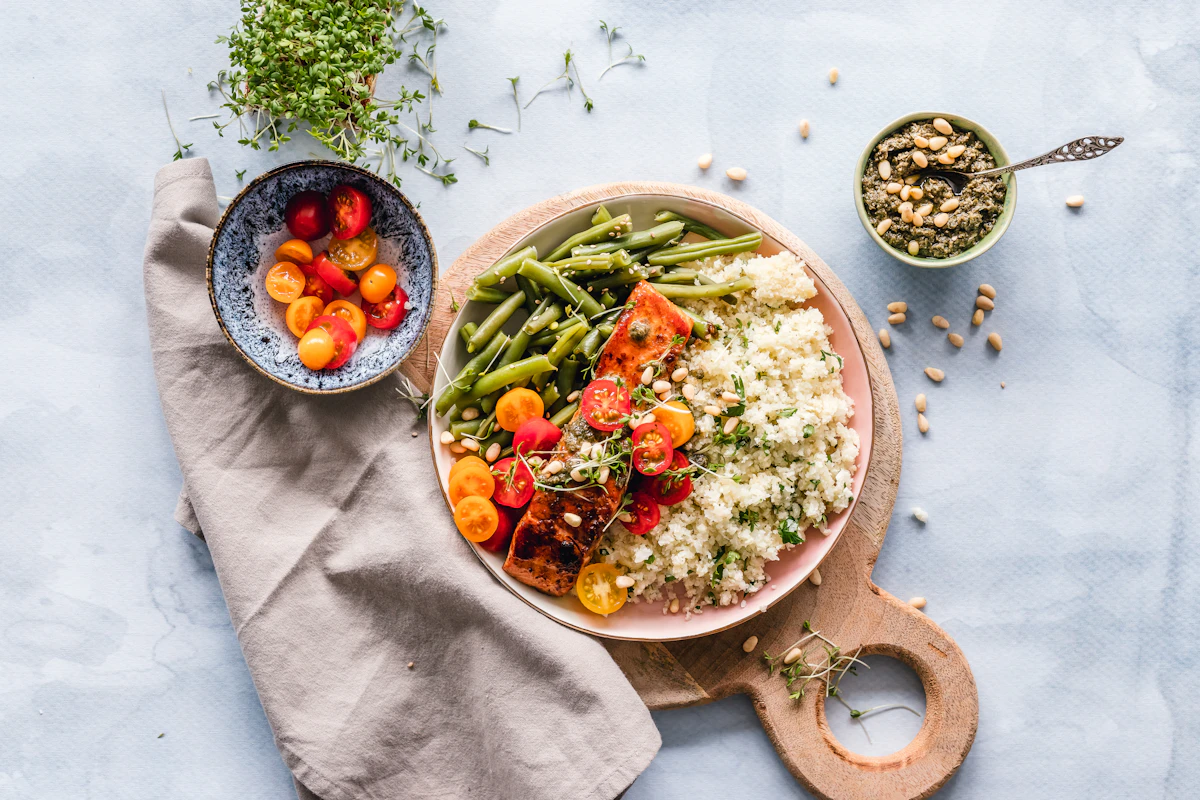
Batch meal prep containers with sweet potato cubes, roasted asparagus, and sliced steak on kitchen counter
Key Editorial Takeaways
- •Target a modest caloric surplus of 10% to 15% above Total Daily Energy Expenditure (TDEE).
- •Pre-cook staple complex carbohydrates and lean proteins in bulk twice weekly to avoid kitchen fatigue.
- •Incorporate calorie-dense healthy fats (olive oil, avocados, nut butters) to hit surplus targets easily without bloating.
- •A structured grocery shopping list prevents impulse purchases of hyper-palatable processed snacks.
Why Meal Planning Outperforms Ad-Hoc Eating
When your goal is building lean muscle tissue, relying on intuition or "eating when hungry" almost invariably leads to under-eating protein and carbohydrates on busy days, or over-consuming saturated fats and processed sugars when ordering takeout.
Systematic muscle growth requires predictable nutrient availability. Meal planning removes cognitive friction: when pre-portioned, nutrient-dense meals are waiting in your refrigerator, adherence becomes automatic.
---
Step 1: Calculating Your Hypertrophy Caloric Baseline
First, determine your Total Daily Energy Expenditure (TDEE): 1. Estimate Basal Metabolic Rate (BMR) using the Mifflin-St Jeor equation. 2. Multiply by an activity factor (typically 1.4 to 1.6 for individuals lifting weights 4 times per week). 3. Add a 300 to 400 kcal/day surplus for clean muscular hypertrophy.
Example Trainee Profile (175 lb male, moderately active):
• Maintenance TDEE: 2,500 kcal
• Hypertrophy Target: 2,850 kcal
• Protein Target: 175g (700 kcal)
• Fat Target: 80g (720 kcal)
• Carbohydrate Target: 355g (1,430 kcal)
---
Step 2: The "Twice-Weekly" Batch Prep Workflow
Cooking every single meal from scratch is unsustainable for busy professionals. Instead, utilize the Sunday / Wednesday batch method:
- Proteins: Roast 4 pounds of chicken breasts and grill 2 pounds of lean steak or salmon on sheet pans simultaneously.
- Carbohydrates: Cook 4 cups of dry jasmine rice or quinoa in a rice cooker; roast 5 pounds of cubed sweet potatoes in the oven.
- Micronutrients: Steam large bags of broccoli florets and green beans, or keep pre-washed baby spinach and arugula containers on hand.
---
Sample Full-Day Muscle Growth Menu (2,850 kcal)
- Breakfast (7:30 AM): 3 whole eggs scrambled with 1/2 cup egg whites, 1 cup cooked rolled oats topped with 1 cup berries and 1 tbsp honey. (650 kcal | 42g P | 75g C | 18g F)
- Lunch (12:30 PM): 6 oz grilled chicken breast, 1.5 cups jasmine rice, 1 cup roasted broccoli drizzled with 1 tbsp extra virgin olive oil. (720 kcal | 52g P | 80g C | 18g F)
- Pre-Workout Fuel (4:00 PM): 1 cup non-fat Greek yogurt, 1 sliced banana, 1.5 tbsp natural peanut butter. (430 kcal | 28g P | 50g C | 12g F)
- Post-Workout Dinner (7:30 PM): 6 oz wild salmon or 93% lean ground beef, 300g baked sweet potato, large mixed green salad with avocado dressing. (780 kcal | 45g P | 70g C | 28g F)
- Night Cap (Optional): 1 scoop micellar casein in almond milk. (140 kcal | 25g P | 3g C | 1g F)
| Day Type | Calories | Protein (g) | Carbohydrates (g) | Fats (g) |
|---|---|---|---|---|
| Heavy Training Day (Legs/Back) | 3,000 kcal | 180g | 400g (High carb) | 75g |
| Moderate Training (Upper/Arms) | 2,850 kcal | 180g | 350g | 80g |
| Active Recovery / Rest Day | 2,500 kcal | 180g | 250g (Lower carb) | 85g |
Benefits of Weekly Meal Prepping
- ✓Saves 5 to 7 hours of daily cooking and cleanup during the workweek
- ✓Guarantees daily caloric and protein targets are met with pinpoint accuracy
- ✓Significantly cuts weekly grocery and restaurant expenses
Practices to Avoid
- ✕Eating boring, unseasoned food that triggers diet fatigue (use dry rubs and hot sauces)
- ✕Prepping seafood more than 3 days in advance (cook fresh or freeze)
Frequently Asked Questions
How long can cooked chicken and meat safely stay in the fridge?
According to USDA food safety guidelines, cooked poultry, beef, and pork remain safe and fresh for 3 to 4 days when refrigerated below 40°F (4°C). For the second half of the week, freeze pre-portioned containers and thaw them overnight.
Do I need to eat every 2 to 3 hours to stay in an anabolic state?
No. What matters most is your total daily calorie and protein intake. Eating 3 to 5 balanced meals across the day is optimal and far more convenient than forcing yourself to eat every 2 hours.
Scientific References & Peer-Reviewed Literature
- Aragon, A. A., & Schoenfeld, B. J. (2013). Nutrient timing revisited: is there a post-exercise anabolic window? [Journal of the International Society of Sports Nutrition, 2013]
Elena Rostova, MS, RD
Nutrition & Metabolic Health Lead
Registered Dietitian with a Masters in Nutritional Sciences. Specializes in energy balance, athletic protein metabolism, and practical meal design for long-term health.
Related Articles & Guides

High-Protein Foods: A Practical Guide to Daily Nutrition
Meeting daily protein targets without relying exclusively on processed powders requires mastering whole-food protein staples. Compare bioavailability scores, macronutrient density, and practical meal ideas.
Understanding Macronutrients: Protein, Carbohydrates and Fats
Macronutrients are the biochemical fuel lines of the human body. Moving beyond generic calorie counting to deliberate macronutrient management transforms body composition and energy output.

Pre-Workout and Post-Workout Nutrition Explained: Peri-Workout Science
The mythical "30-minute anabolic window" was widely exaggerated, but peri-workout nutrition still matters. Optimize blood glucose, intra-muscular glycogen, and cellular recovery with proper timing.