

A Complete 12-Week Beginner Fitness Roadmap: From Zero to Consistent
Stepping into fitness without a roadmap is like driving across the country without GPS. Follow this periodized 12-week roadmap designed specifically to build motor control, strength, and confidence.

Marcus Vance, CSCS
Senior Strength & Conditioning Editor • Updated 2025-03-01

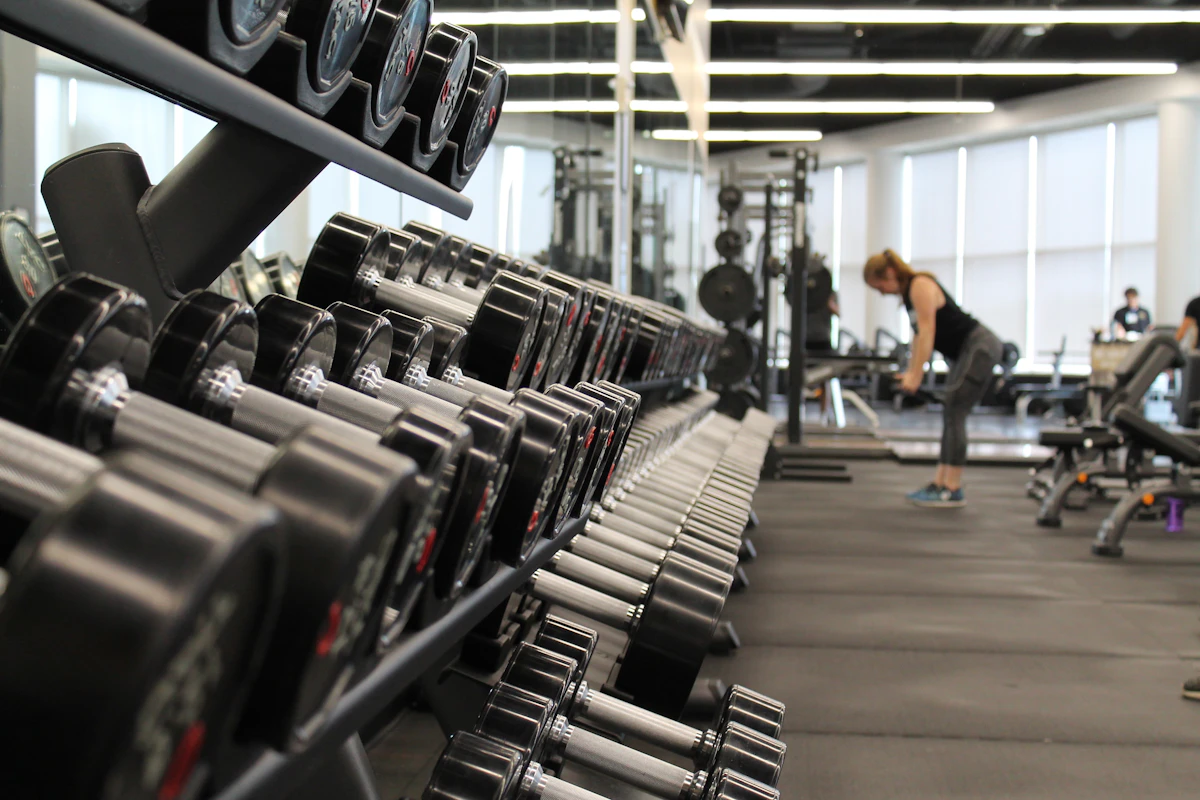
Beginner athlete standing confidently in gym holding dumbbells ready to embark on 12 week training roadmap
Key Editorial Takeaways
- •Weeks 1–4 prioritize movement competency, joint tendon conditioning, and habit building.
- •Weeks 5–8 introduce progressive loading and double progression on compound lifts.
- •Weeks 9–12 ramp up intensity, introduce unilateral balance, and test strength gains.
- •Celebrate objective performance metrics (push-ups completed, weights lifted) rather than scale weight alone.
Why You Need a Structured 12-Week Horizon
Embarking on a fitness transformation without a clear phase-based roadmap is the primary reason beginners experience early burnout or injury. When newcomers attempt to mimic advanced programs with heavy loads and high volume, their connective tissues—ligaments and tendons—are not yet conditioned to withstand the tensile strain, leading to tendinitis and joint frustration.
This 12-week roadmap is organized into three distinct 4-week mesocycles, each building systematically on the biological adaptations of the previous phase.
---
Phase 1: Foundational Neuromuscular Calibration (Weeks 1–4)
- Objective: Establish the habit of 3 weekly sessions, master foundational movement patterns (Squat, Hinge, Push, Pull, Carry), and condition joint structures.
- Frequency: 3 non-consecutive days per week (e.g., Mon/Wed/Fri).
- Intensity: 3 Reps in Reserve (RIR). Never train to failure during this phase.
#
Phase 1 Workout Template (Full-Body)
1. Goblet Squat (Dumbbell or Kettlebell): 3 sets x 10–12 reps 2. Dumbbell Flat Bench Press: 3 sets x 10–12 reps 3. Chest-Supported Dumbbell Row: 3 sets x 10–12 reps 4. Romanian Deadlift (Light Dumbbells): 3 sets x 10–12 reps 5. Farmer’s Walk (Carry): 3 rounds x 40 yards 6. Forearm Plank: 3 sets x 30–45 seconds
---
Phase 2: Progressive Loading & Hypertrophy (Weeks 5–8)
- Objective: Introduce Olympic barbells, apply double progression, and stimulate myofibrillar hypertrophy.
- Frequency: 3 days per week.
- Intensity: 2 Reps in Reserve (RIR).
#
Phase 2 Workout A (Monday & Friday)
1. Barbell Back Squat or Leg Press: 3 sets x 8–10 reps 2. Barbell Flat Bench Press: 3 sets x 8–10 reps 3. Seated Cable Row or Barbell Row: 3 sets x 8–10 reps 4. Standing Dumbbell Shoulder Press: 3 sets x 10–12 reps 5. Hanging Knee Raises: 3 sets x 12–15 reps
#
Phase 2 Workout B (Wednesday)
1. Barbell or Trap Bar Deadlift: 3 sets x 6–8 reps 2. Lat Pulldown or Bodyweight Inverted Rows: 3 sets x 8–10 reps 3. Bulgarian Split Squat (Dumbbells): 2 sets x 10 reps per leg 4. Standing Dumbbell Lateral Raises: 3 sets x 12–15 reps 5. Cable Tricep Pushdowns & Dumbbell Bicep Curls: 2 supersets x 12 reps
---
Phase 3: Intensity & Muscular Resilience (Weeks 9–12)
- Objective: Maximize strength expression, refine body composition, and prepare for lifelong independent training.
- Intensity: 1 to 2 Reps in Reserve (RIR).
- Trainees will experience substantial increases in bar speed, muscle fullness, posture, and systemic confidence.
| Phase | Weeks | Core Adaptation Focus | Volume / Movement Complexity |
|---|---|---|---|
| Phase 1: Foundation | Weeks 1 – 4 | Neuromuscular coordination & tendon conditioning | Light dumbbells, 10-12 reps, 3 RIR |
| Phase 2: Progression | Weeks 5 – 8 | Hypertrophy & linear double progression | Barbells & machines, 8-10 reps, 2 RIR |
| Phase 3: Resilience | Weeks 9 – 12 | Strength expression & athletic density | Compound loading, 6-8 reps, 1-2 RIR |
Why This Roadmap Delivers Lasting Results
- ✓Guarantees safe progression without shocking deconditioned tendons and ligaments
- ✓Removes daily gym confusion by providing an exact exercise and set checklist
- ✓Instills permanent confidence in free-weight weight room etiquette and setup
Keys to Success
- ✕Resisting the urge to skip Phase 1 to lift excessively heavy too early
- ✕Remembering that nutrition (hitting protein and hydration goals) fuels the roadmap
Frequently Asked Questions
What if I cannot perform a single pull-up in Phase 2?
Use resistance band assisted pull-ups, negative eccentrics (jumping to the top bar and lowering over 5 seconds), or lat pulldowns. All of these build the exact lat and bicep strength needed to achieve your first unassisted pull-up.
What should I do after completing the 12-week roadmap?
Take a 1-week scheduled deload by reducing your sets by half. Afterward, you will possess the strength and movement foundation to advance into a 4-Day Upper/Lower split or continue progressive overload on this program.
Scientific References & Peer-Reviewed Literature
- American College of Sports Medicine. (2009). Progression models in resistance training for healthy adults. [Medicine & Science in Sports & Exercise, 2009]
Marcus Vance, CSCS
Senior Strength & Conditioning Editor
Certified Strength and Conditioning Specialist with over 11 years coaching athletes and everyday lifters. Passionate about biomechanics, evidence-based hypertrophy, and injury prevention.
Related Articles & Guides
Beginner to Advanced: A Complete Weekly Strength Training Plan
Selecting the right training routine depends entirely on your training age, recovery bandwidth, and weekly schedule. Discover proven templates for every phase of progression.

How to Improve Workout Consistency and Build Long-Term Habits
Motivation is an emotional spark that inevitably fades; habits are the durable neurological loops that run automatically on days when you feel zero enthusiasm. Master the science of workout consistency.

Best Strength Training Exercises for Building Full-Body Muscle
Not all exercises provide equal return on energy invested. Multi-joint compound movements recruit maximal motor units, stimulate structural bone density, and drive full-body hypertrophy.