

Gym Membership vs Home Gym: A Complete Financial and Practical Comparison
Is a monthly gym membership a smart operational investment, or does building a private garage gym offer superior 5-year financial returns and workout adherence? We run the numbers.

David Chen, CPT
Home Gym & Equipment Analyst • Updated 2025-03-01
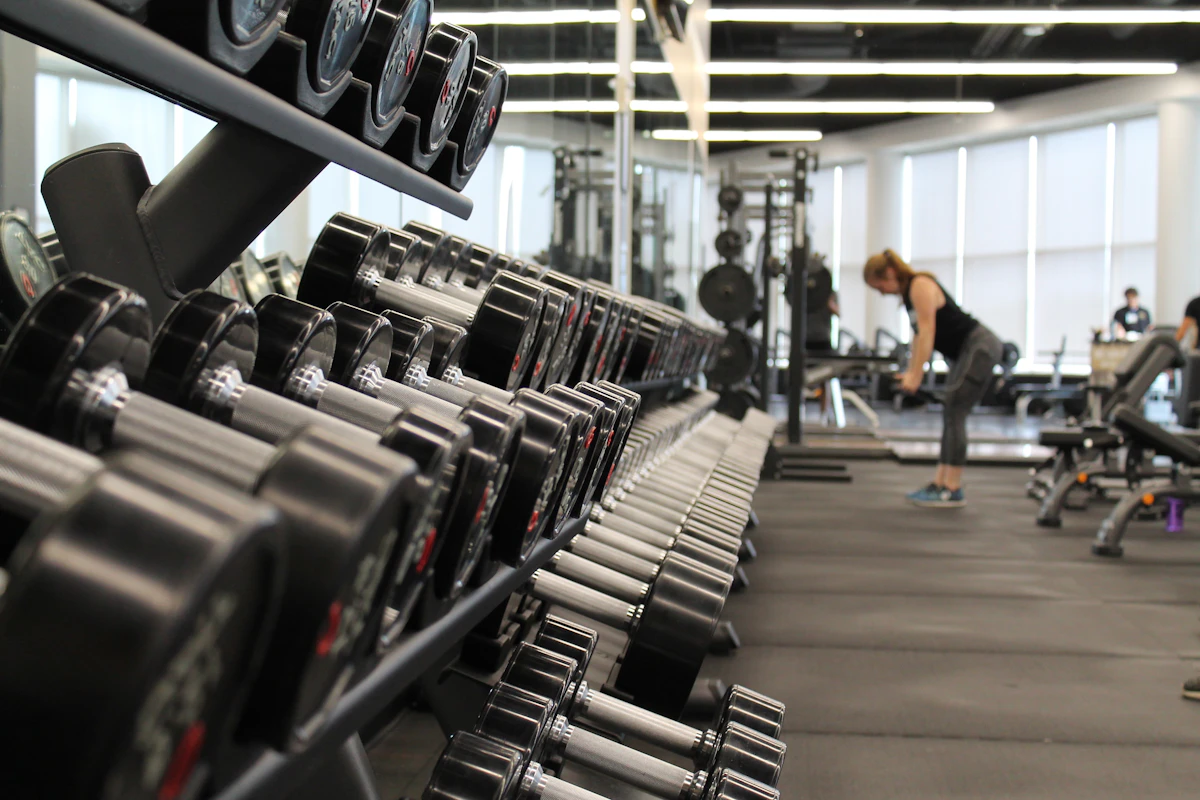
Split image concept showing modern commercial gym floor versus tidy residential garage workout space
Key Editorial Takeaways
- •The average commercial gym membership costs $60-$150/month plus initiation and annual maintenance fees.
- •A commercial-grade home gym ($1,500-$2,500) breaks even financially within 18 to 30 months.
- •Eliminating a 20-minute gym commute saves approximately 100 hours of personal time every single year.
- •Commercial gyms provide specialty selectorized machines, pools, and saunas that residential homes rarely match.
The Financial and Psychological Equation
When embarking on a lifelong commitment to physical health, where you train matters nearly as much as how you train. The recurring debate between commercial gym memberships and private home training spaces involves more than simple equipment costs; it encompasses time economics, social psychology, and operational convenience.
---
1. The 5-Year Financial Breakdown
Let us evaluate the real monetary figures for a typical fitness enthusiast in the USA or UK:
#
Commercial Gym Costs Over 5 Years
- Average monthly membership dues: $75 / month = $4,500
- Annual maintenance and facility fees: $60 / year = $300
- Travel fuel, wear-and-tear (10 miles roundtrip, 4x/week): ~$350 / year = $1,750
- Total 5-Year Commercial Expenditure: ~$6,550 (with $0 residual asset value)
#
High-End Home Gym Setup Over 5 Years
- 3x3 11-gauge power rack with pull-up bar: $600
- Quality 20kg Olympic barbell and collars: $250
- 300 lbs Olympic bumper and cast iron plates: $450
- Commercial adjustable FID bench: $300
- Set of adjustable dumbbells (5-50 lbs): $400
- 3/4-inch vulcanized rubber flooring (4 mats): $220
- Total 5-Year Home Gym Expenditure: ~$2,220 (with a resale asset value of ~$1,500+)
The home gym yields an estimated net financial savings of over $4,300 over five years, while leaving you in possession of equipment that retains substantial secondary market value.
---
2. Time Economics: The Hidden Commute Tax
If your commercial gym is a modest 15 minutes away from your front door, that amounts to 30 minutes of roundtrip travel per workout.
- 4 training sessions per week = 2 hours of weekly commute time.
- Over 52 weeks, that equals 104 hours per year spent sitting in traffic.
At home, your commute is the 10 seconds it takes to walk into your garage or spare room. For busy working parents and corporate executives, reclaiming 100 hours annually often makes the difference between consistent training and missed workouts.
| Feature | Commercial Gym Membership | Dedicated Home Gym |
|---|---|---|
| 5-Year Total Cost | $5,000 – $9,000+ (Recurring drain) | $1,500 – $3,000 (One-time asset investment) |
| Commute & Transition Time | 30 to 45 min per workout | 0 seconds (Immediate access) |
| Equipment Availability | Frequently waiting for squat racks during peak hours | Zero waiting; 100% available 24/7/365 |
| Specialty Machines & Amenities | Extensive (cables, pools, steam, hack squats) | Limited to what you purchase & store |
| Social Atmosphere | Energizing crowd or crowded frustration | Private, quiet, complete music control |
When a Commercial Gym Makes Sense
- ✓You love socializing and find personal motivation in a vibrant group environment
- ✓You live in a compact rental apartment with strict weight and noise restrictions
- ✓You require amenities like Olympic swimming pools, steam saunas, or childcare
When a Home Gym Dominates
- ✕You have limited free time and need to train at unusual hours
- ✕You dislike crowds, waiting for equipment, or unwanted gym distractions
Frequently Asked Questions
Will training at home make it harder to stay motivated without the gym vibe?
For some, yes. A commercial gym provides a psychological "third place" dedicated to effort. However, creating a well-lit, dedicated home training room with good speakers and motivational posters easily replicates that focused mindset.
Can you get as strong in a home gym as in a commercial facility?
Yes. In fact, many of the world’s greatest strength athletes and powerlifters train primarily in garage gyms with a barbell, power rack, and heavy plates—the exact tools that build 95% of all human strength.
Scientific References & Peer-Reviewed Literature
- Bauman, A. E., et al. (2012). Correlates of physical activity: why are some people physically active and others not? [The Lancet, 2012]
David Chen, CPT
Home Gym & Equipment Analyst
Certified Personal Trainer and home fitness equipment engineer. He has bench-tested over 150 pieces of strength equipment, dumbbells, and racks in real-world spaces.
Related Articles & Guides

Best Home Gym Equipment for Building a Professional Workout Space
Building an elite training space in your garage or basement requires strategic purchasing. Avoid gimmicky infomercial gear and invest in pieces that deliver lifetime durability and complete exercise versatility.

How to Build a Home Gym on a Realistic Budget
You do not need $10,000 to construct a powerhouse workout space. By understanding the equipment hierarchy and buying in strategic phases, you can assemble a complete training gym for under $1,000.
How to Choose the Right Fitness Program for Your Lifestyle
The fitness world is flooded with competing methodologies: bodybuilding splits, powerlifting, CrossFit, calisthenics, and kettlebell flows. Use this objective guide to pick the discipline that fits your lifestyle.
