

How to Choose the Right Fitness Program for Your Lifestyle
The fitness world is flooded with competing methodologies: bodybuilding splits, powerlifting, CrossFit, calisthenics, and kettlebell flows. Use this objective guide to pick the discipline that fits your lifestyle.

Marcus Vance, CSCS
Senior Strength & Conditioning Editor • Updated 2025-03-01
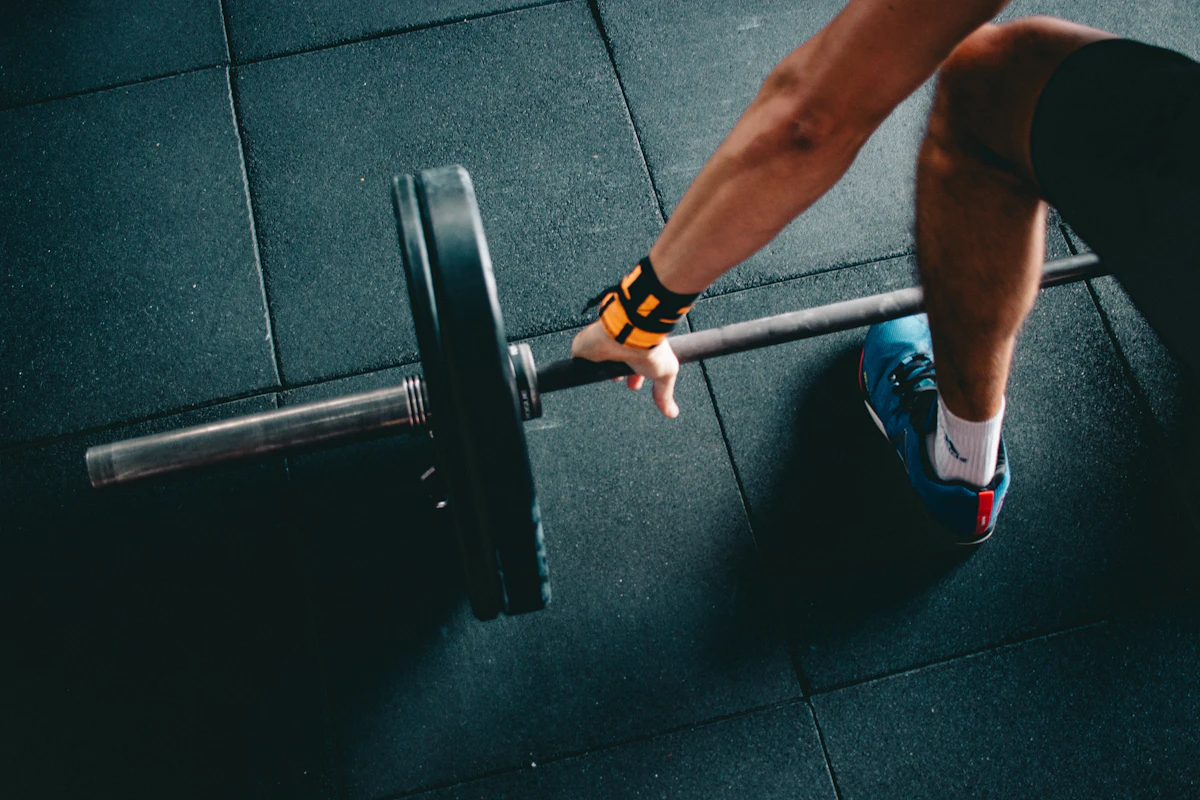
Man reviewing different fitness program roadmaps and workout logs on a clipboard in gym
Key Editorial Takeaways
- •The "best" program is the one that you can execute consistently for 52 consecutive weeks.
- •Match your available weekly time blocks to your chosen training modality before starting.
- •Powerlifting builds maximum 1RM strength; bodybuilding maximizes aesthetics and hypertrophy.
- •Avoid high-complexity programs if your current work and family stress levels are already elevated.
The Program Selection Dilemma
Walk into any fitness forum and you will witness fierce debates over which training methodology reigns supreme: * Powerlifters argue that maximal 1RM squat, bench, and deadlift numbers are the only true measure of physical capability. * Bodybuilders argue that muscle symmetry, target fiber isolation, and low body fat percentages are the ultimate goal. * Functional fitness enthusiasts claim that high-intensity circuit training and metabolic conditioning provide true real-world utility. * Calisthenics athletes argue that mastering one's own bodyweight against gravity is the purest form of human strength.
The truth is that all of these disciplines work exceptionally well for their specific design criteria. The critical error is selecting a program whose demands conflict with your career, family life, and recovery capacity.
---
Evaluating the 4 Major Training Philosophies
#
1. Traditional Hypertrophy / Bodybuilding
- Focus: Muscle size, aesthetics, symmetrical proportions, and localized fiber exhaustion.
- Format: Moderate weights (8–15 reps), 3 to 5 sets per exercise, controlled tempos, isolation accessories.
- Best For: Trainees whose primary objective is physical appearance, muscle shape, and joint-friendly training.
#
2. Pure Strength & Powerlifting
- Focus: Maximal force production across the squat, bench press, and deadlift.
- Format: Heavy loads (75–90% 1RM), low repetitions (1–5 reps), long rest intervals (3–5 minutes between sets).
- Best For: Trainees who love objective numbers on the bar and thrive on raw, measurable force output.
#
3. High-Intensity Functional Fitness
- Focus: Work capacity, cardiovascular engine, Olympic weightlifting, and metabolic conditioning.
- Format: Varied movements, timed circuits (AMRAPs, EMOMs), high heart rates.
- Best For: Individuals who crave competitive group camaraderie, athletic variety, and high-energy workouts.
#
4. Calisthenics & Gymnastic Strength
- Focus: Relative strength, core compression, leverage manipulation, and bodyweight control.
- Format: Dips, pull-ups, handstands, levers, pistol squats.
- Best For: Trainees with minimal equipment, frequent travelers, and those wanting exceptional relative body mastery.
| Training Style | Primary Adaptation | Weekly Time Required | Joint Wear Profile |
|---|---|---|---|
| Bodybuilding Hypertrophy | Muscle size & aesthetic balance | 4 to 5 sessions (45-60 min) | Low to Moderate (Smooth loads) |
| Powerlifting Strength | Maximal neurological force (1RM) | 3 to 4 sessions (75-90 min) | Moderate to High (Heavy loading) |
| High-Intensity Functional | Cardiovascular engine & work capacity | 4 to 6 sessions (60 min) | Moderate to High (Fatigue pacing) |
| Calisthenics | Relative strength & gymnastic control | 3 to 4 sessions (45 min) | Low (Shoulder-friendly if paced) |
How to Choose Your Winner
- ✓Audit your weekly schedule: If you have 3 hours total, pick a 3-Day Full-Body Hypertrophy split
- ✓Choose a style whose exercises you genuinely look forward to performing each week
- ✓You can always cycle disciplines throughout different seasons of the year
Practices to Avoid
- ✕Trying to train like a competitive powerlifter and a marathon runner at the same time
- ✕Constantly abandoning programs after 2 weeks before biological adaptations occur
Frequently Asked Questions
How long should I stay on a single workout program before changing it?
Stay with a structured program for a minimum of 8 to 12 weeks. This provides sufficient time for your neurological system to master movement mechanics and achieve multiple cycles of progressive overload.
Can I combine bodybuilding with high-intensity cardio?
Yes, but manage recovery carefully. Keep high-intensity cardio to 1 to 2 sessions per week, or rely on Zone 2 low-impact brisk walking to avoid interfering with muscle protein synthesis and leg recovery.
Scientific References & Peer-Reviewed Literature
- Helms, E. R., et al. (2015). Recommendations for natural bodybuilding contest preparation: resistance and cardiovascular training. [Journal of Sports Medicine and Physical Fitness, 2015]
Marcus Vance, CSCS
Senior Strength & Conditioning Editor
Certified Strength and Conditioning Specialist with over 11 years coaching athletes and everyday lifters. Passionate about biomechanics, evidence-based hypertrophy, and injury prevention.
Related Articles & Guides

Beginner to Advanced: A Complete Weekly Strength Training Plan
Selecting the right training routine depends entirely on your training age, recovery bandwidth, and weekly schedule. Discover proven templates for every phase of progression.

Personal Training vs Working Out Alone: Pros and Cons
Hiring a personal trainer can fast-track results and prevent costly injuries—or drain your savings if you hire an uncredentialed rep counter. Compare both pathways to determine your best investment.
A Complete 12-Week Beginner Fitness Roadmap: From Zero to Consistent
Stepping into fitness without a roadmap is like driving across the country without GPS. Follow this periodized 12-week roadmap designed specifically to build motor control, strength, and confidence.