

How Much Protein Do You Really Need to Build Muscle?
The supplement industry often pushes excessive protein recommendations. Peer-reviewed metabolic research reveals the true optimal ceiling for muscular hypertrophy and how to distribute your intake.

Elena Rostova, MS, RD
Nutrition & Metabolic Health Lead • Updated 2025-02-27

High protein meal prep bowls featuring grilled chicken breast, quinoa, and steamed broccoli
Key Editorial Takeaways
- •The scientific sweet spot for natural hypertrophy is 0.73 to 1.0 grams per pound of bodyweight (1.6 to 2.2 g/kg).
- •Intakes exceeding 1.0 g/lb during a caloric surplus provide no additional measurable muscle-building advantage.
- •Distribute protein into 3 to 5 meals per day containing at least 2.5 to 3.0 grams of leucine to maximize the anabolic trigger.
- •Whole food sources like eggs, poultry, wild fish, dairy, and legumes should form your nutritional foundation.
The Truth About Protein Recommendations
Few topics in sports nutrition are shrouded in as much bro-science and commercial exaggeration as daily protein requirements. Bodybuilding folklore historically mandated consuming 1.5 to 2.0 grams of protein per pound of bodyweight, largely fueled by supplement brand marketing and the supraphysiological nitrogen retention capacities of chemically enhanced athletes.
For natural fitness enthusiasts, the real question is: at what dosage does additional dietary protein cease to stimulate new muscle protein synthesis?
---
What the Meta-Analytic Data Concludes
The landmark systematic review and meta-analysis conducted by Dr. Robert Morton and colleagues (published in the British Journal of Sports Medicine, analyzing 49 randomized controlled trials with 1,863 participants) established a definitive plateau:
Scientific Protein Benchmark:
Protein supplementation beyond 1.62 g/kg/day (0.73 g/lb/day) produced NO further
statistically significant gains in fat-free mass during resistance training.
To provide a safe biological buffer accounting for inter-individual genetic variance and digestive variability, sports dietitians universally recommend:
- Maintenance & Moderate Hypertrophy: 0.8 – 1.0 g per lb of total bodyweight (1.8 – 2.2 g/kg).
- Aggressive Caloric Deficit (Fat Loss / Cutting): 1.0 – 1.2 g per lb of lean body mass to prevent catabolic tissue breakdown.
For an active 180-pound lifter, targeting 145 to 180 grams of protein daily covers 99% of all physiological demands for maximal muscle accretion.
---
The Leucine Threshold and Meal Distribution
Total daily protein is the primary driver of recovery, but meal distribution refines the efficiency of protein synthesis. Each protein feeding should contain approximately 2.5 to 3.5 grams of the essential branched-chain amino acid L-leucine.
Leucine acts as the biological molecular "ignition key" that activates the mechanistic target of rapamycin (mTORC1). Consuming 25 to 40 grams of a high-quality complete protein per meal reliably clears this threshold, stimulating maximal muscle protein synthesis for 3 to 4 hours.
| Food Source | Serving Size | Total Protein | Leucine Content |
|---|---|---|---|
| Chicken Breast (Cooked) | 150g (5.3 oz) | 46g | 3.8g |
| Wild Salmon | 150g (5.3 oz) | 38g | 3.1g |
| Whey Protein Isolate | 1 Scoop (30g) | 25g | 3.0g |
| Whole Large Eggs | 3 Eggs | 18g | 1.6g |
| Greek Yogurt (Non-Fat) | 200g (1 Cup) | 20g | 2.1g |
| Cooked Lentils | 1 Cup (200g) | 18g | 1.3g |
Benefits of Dialing in Protein
- ✓Maximizes post-workout cellular repair and structural growth
- ✓High thermic effect of food (TEF) enhances metabolic expenditure
- ✓Superior satiety curbing unnecessary between-meal snacking
Myths & Common Mistakes
- ✕Overpaying for redundant mega-dosed protein shakes
- ✕Neglecting essential complex carbohydrates and healthy dietary fats
Frequently Asked Questions
Does eating more than 30 grams of protein in one meal go to waste?
No. The digestive tract will absorb virtually all digested amino acids. While MPS may peak at around 30 to 40 grams of complete protein, the remaining amino acids are utilized for gut lining repair, enzyme production, and systemic cellular turnover.
Can plant-based athletes build equal muscle on vegan protein sources?
Yes, provided total daily protein is sufficient (aim for the higher end, ~0.9-1.0 g/lb) and diverse plant sources (such as pea, rice, soy, and hemp) are combined to ensure a complete essential amino acid profile.
Scientific References & Peer-Reviewed Literature
- Morton, R. W., et al. (2018). A systematic review, meta-analysis and meta-regression of the effect of protein supplementation on resistance training-induced gains in muscle mass and strength in healthy adults. [Br J Sports Med, 2018]
- Phillips, S. M. (2014). A brief review of higher dietary protein diets in weight loss: a focus on athletes. [Sports Medicine, 2014]
Elena Rostova, MS, RD
Nutrition & Metabolic Health Lead
Registered Dietitian with a Masters in Nutritional Sciences. Specializes in energy balance, athletic protein metabolism, and practical meal design for long-term health.
Related Articles & Guides

How to Build Muscle Naturally: A Complete Science-Based Guide
Building lean muscle mass without chemical enhancement requires aligning three physiological pillars: mechanical tension, metabolic stress, and targeted nutrient recovery.


High-Protein Foods: A Practical Guide to Daily Nutrition
Meeting daily protein targets without relying exclusively on processed powders requires mastering whole-food protein staples. Compare bioavailability scores, macronutrient density, and practical meal ideas.
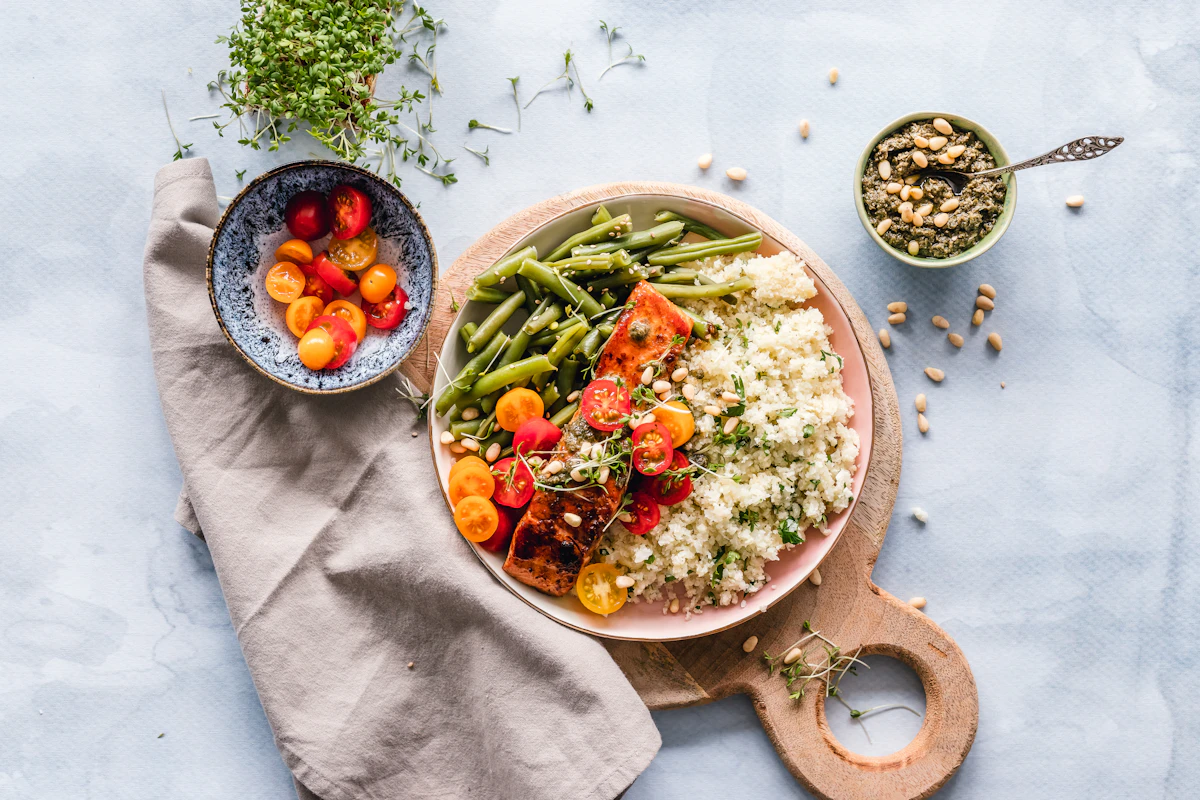
Meal Planning for Muscle Growth: A Complete Weekly Guide
Consistency in the kitchen determines whether your hard work in the gym translates into visible muscle or chronic frustration. Master the art of efficient, sustainable weekly meal preparation.