

How to Build a Balanced Diet for Long-Term Fitness: The 80/20 Rule
Extreme restriction breeds eventual rebellion. Sustainable health and muscular aesthetics require a nutritional framework that balances physiological micronutrient demands with psychological real-world flexibility.

Elena Rostova, MS, RD
Nutrition & Metabolic Health Lead • Updated 2025-02-27
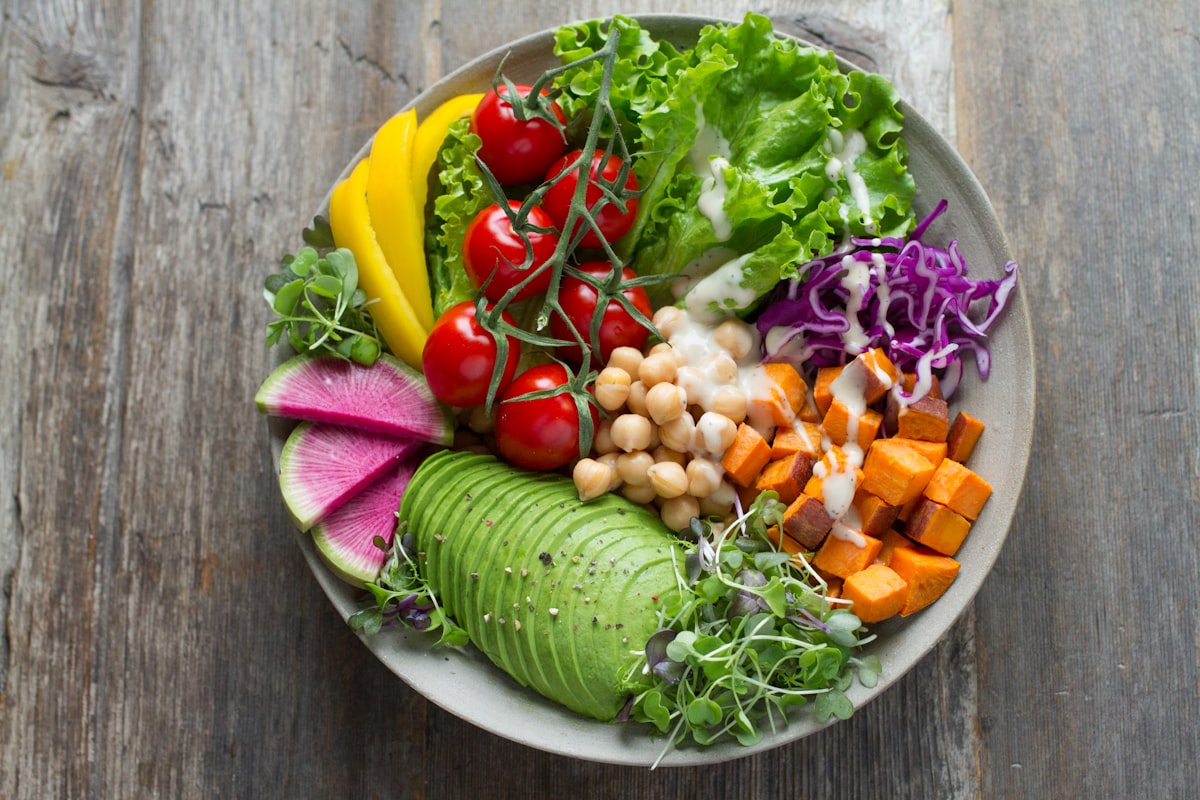
Vibrant bowl filled with colorful vegetables, grains, seeds, and healthy dressing illustrating balanced nutrition
Key Editorial Takeaways
- •The 80/20 rule: 80% of calories from nutrient-dense whole foods, 20% for discretionary social enjoyment.
- •Demonizing entire food groups (like carbs or dairy) often triggers binge-restrict psychological eating cycles.
- •Aim for 25 to 35 grams of dietary fiber daily for optimal cholesterol clearance and gut microbiome diversity.
- •Nutritional adherence over 52 weeks is infinitely more powerful than 4 weeks of unsustainable perfection.
Why 95% of Extreme Diets Fail Within Two Years
The diet industry thrives on manufactured extremes: zero carbs, zero fats, carnivore exclusivity, juice cleanses, and rapid crash protocols. While these restrictive regimens can produce dramatic initial water weight loss, they are virtually impossible to sustain across a normal human lifetime filled with family dinners, holidays, travel, and social celebrations.
The inevitable outcome is the "yo-yo" cycle: extreme restriction leads to psychological fatigue, which triggers an uncontrolled rebound binge, followed by guilt and another harsh diet.
---
The 80/20 Principle of Sustainable Nutrition
Sustainable nutrition treats food as both biological fuel and a source of human connection and pleasure.
#
The 80% Foundation (Nutrient-Dense Staples)
Eighty percent of your daily caloric intake should derive from single-ingredient, unprocessed or minimally processed foods: * Lean animal and plant proteins * Starchy tubers (potatoes, sweet potatoes, yams) * Whole grains (oats, brown rice, quinoa, sourdough) * Healthy monounsaturated and omega-3 fats (olive oil, nuts, seeds, avocados) * Colorful fibrous vegetables and antioxidant-rich fruits
#
The 20% Flexibility (Lifestyle Buffer)
The remaining twenty percent accommodates discretionary foods: a slice of artisanal pizza with friends, dark chocolate after dinner, or a scoop of gelato. Because your caloric targets, protein floor, and micronutrient bases are satisfied by the 80%, this 20% buffer prevents feelings of deprivation without hindering fat loss or muscle gain.
| Attribute | Restrictive Crash Diet | 80/20 Flexible Framework |
|---|---|---|
| Social Eating | Anxiety, skipping events, isolation | Seamlessly integrated with mindful portions |
| Hormonal Balance | Thyroid suppression, elevated cortisol | Stable leptin, thyroid, and sex hormones |
| Psychological Relationship | Binge-restrict guilt cycles | Peace of mind, zero guilt around food |
| 2-Year Adherence Rate | Under 5% long-term success | Extremely high (lifestyle integration) |
Benefits of the 80/20 Lifestyle
- ✓Maintains low body fat effortlessly year-round without social isolation
- ✓Protects metabolic rate and thyroid output from chronic starvation stress
- ✓Builds a healthy, intuitive relationship with food for decades
Rules to Safeguard Success
- ✕Requires honest portion assessment so the 20% does not creep into 50%
- ✕Still requires hitting baseline daily protein and total calorie goals
Frequently Asked Questions
Can you lose body fat while still eating treats in moderation?
Yes. Body fat loss is determined by thermodynamic energy balance. As long as you are in a moderate caloric deficit with sufficient protein and micronutrients, enjoying a small daily treat will not stop fat loss.
How do I track calories when eating out at local restaurants?
Estimate using similar menu items from verified database entries, choose grilled rather than fried proteins, ask for sauces on the side, and add a modest 150-200 calorie buffer to account for cooking oils and butter.
Scientific References & Peer-Reviewed Literature
- Stewart, T. M., et al. (2002). Rigid vs. flexible dieting: associations with eating disorder symptoms in nonclinical women. [Appetite, 2002]
Elena Rostova, MS, RD
Nutrition & Metabolic Health Lead
Registered Dietitian with a Masters in Nutritional Sciences. Specializes in energy balance, athletic protein metabolism, and practical meal design for long-term health.
Related Articles & Guides
Meal Planning for Muscle Growth: A Complete Weekly Guide
Consistency in the kitchen determines whether your hard work in the gym translates into visible muscle or chronic frustration. Master the art of efficient, sustainable weekly meal preparation.
Understanding Macronutrients: Protein, Carbohydrates and Fats
Macronutrients are the biochemical fuel lines of the human body. Moving beyond generic calorie counting to deliberate macronutrient management transforms body composition and energy output.

Sustainable Weight Management: Habits That Actually Work
Sustainable body weight control is not about intense willpower or temporary suffering. It is about restructuring your environment, behavioral triggers, and nutritional habits so healthy choices become effortless.